Capture Key Inputs
Aimey AI collects insights from meetings, conversations, or task updates and identifies decisions or action items.
With Aimey AI, teams can automatically transform discussions, meeting insights, and decisions into actionable tasks, improving collaboration and operational efficiency across the organization.

Teams often struggle with fragmented workflows where important information gets lost between meetings, emails, and project tools. This creates delays, miscommunication, and unnecessary administrative work.
Aimey AI Workflow Automation bridges this gap by automatically capturing insights and converting them into structured actions within your team’s existing tools. Instead of manually updating tasks or assigning follow-ups, automation ensures that work progresses seamlessly from discussion to execution.
By removing repetitive processes, teams can move faster, stay aligned, and maintain clear visibility into ongoing work.
AI Workflow Automation uses artificial intelligence to streamline and automate business processes across teams and systems. It analyzes inputs such as meetings, conversations, documents, or tasks and converts them into automated workflows that trigger actions in connected tools.
Instead of manually managing tasks and updates, AI intelligently identifies what needs to happen next and executes those steps automatically.
For example, when a meeting ends, AI can automatically create tasks, update project boards, notify stakeholders, and schedule follow-ups. This ensures that decisions translate directly into action without requiring manual coordination.

Aimey AI Workflow Automation simplifies complex processes by connecting conversations, tasks, and tools into a unified workflow.
Aimey AI collects insights from meetings, conversations, or task updates and identifies decisions or action items.
The system analyzes the context of discussions and determines the appropriate workflow actions required.
AI automatically creates tasks, assigns responsibilities, updates project boards, and sends notifications.
Updates are instantly reflected across integrated tools such as project management platforms, communication tools, and CRMs.
AI Workflow Automation combines intelligent decision-making with process automation to reduce manual work and improve team productivity.
Aimey AI automatically generates tasks from conversations, meetings, or notes, ensuring that important follow-ups are never missed. Tasks can be assigned to the right team members with deadlines and priority levels.
The system detects when specific conditions are met and triggers predefined workflows. For example, when a meeting ends, AI can automatically create tasks, notify relevant stakeholders, and update project boards.
Aimey AI Workflow Automation connects with the tools your team already uses, enabling smooth data flow across calendars, communication platforms, and project management systems.
Automation ensures that updates are shared across teams, improving coordination and eliminating the need for manual status updates.
Teams can monitor workflows, track progress, and identify bottlenecks through centralized dashboards that provide real-time insights into ongoing work.
Organizations use AI Workflow Automation to reduce manual work, improve operational efficiency, and ensure that important tasks are automatically executed after decisions are made.
Automate routine processes like task creation, updates, and notifications to reduce manual work.
Ensure workflows move seamlessly from discussion to execution without delays or manual coordination.
Automatically assign responsibilities and update project tools so everyone stays on the same page.
Standardize workflows across teams and projects to maintain consistency as your organization grows.
AI Workflow Automation is built to support teams that need to move quickly while maintaining clear processes and accountability.
Automate task creation from sprint meetings and ensure development updates are reflected in project boards.
Automatically convert meeting discussions into follow-ups, CRM updates, and task assignments.
Streamline operational workflows and reduce manual coordination between departments.
Ensure that strategic decisions translate into actionable tasks across the organization.
AI Workflow Automation works best when connected to the tools your team already relies on for communication and collaboration.


With Aimey.ai, these integrations ensure that workflows are executed automatically without requiring additional manual steps.
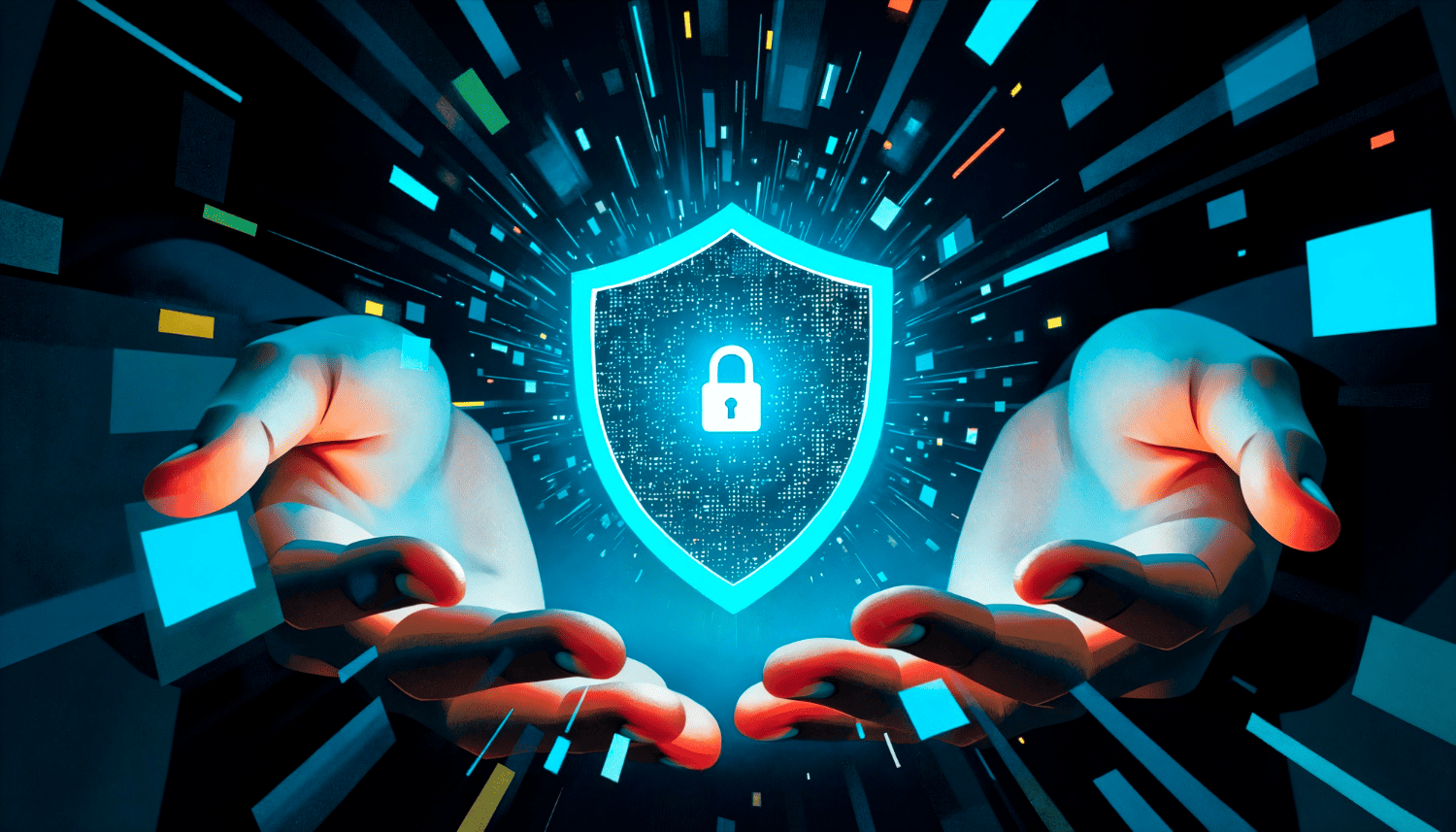
Workflow automation often involves sensitive business data and operational processes. AI Workflow Automation platforms implement enterprise-grade security standards to ensure that data remains protected and accessible only to authorized users.
Organizations maintain full control over automated workflows, permissions, and integrations.
Meetings and discussions often generate valuable insights, but those insights only matter if they lead to action. AI Workflow Automation ensures that every decision automatically triggers the next step in your workflow.
With Aimey.ai, teams can connect conversations, tasks, and tools into a unified system that drives productivity and eliminates manual effort.

AI workflow automation uses artificial intelligence to automatically manage and execute repetitive tasks and business processes. Tools like Aimey.ai convert conversations and insights into automated actions across integrated tools.
Aimey AI workflow automation reduces manual work by automatically creating tasks, assigning responsibilities, and updating project systems. This helps teams stay aligned and ensures that decisions translate into actionable steps.
Yes, Aimey AI workflow automation platforms integrate with calendars, collaboration tools, and project management systems to streamline operations and automate workflows across teams.
Aimey AI can automate tasks such as creating project tasks, sending follow-up notifications, updating CRM records, scheduling reminders, and managing workflow triggers based on specific events.
Yes, Aimey AI workflow platform implement enterprise-level security practices including encryption, access controls, and compliance frameworks to protect business data.